North Sea Port
One port, two countries, thousands of workers who need somewhere to live.
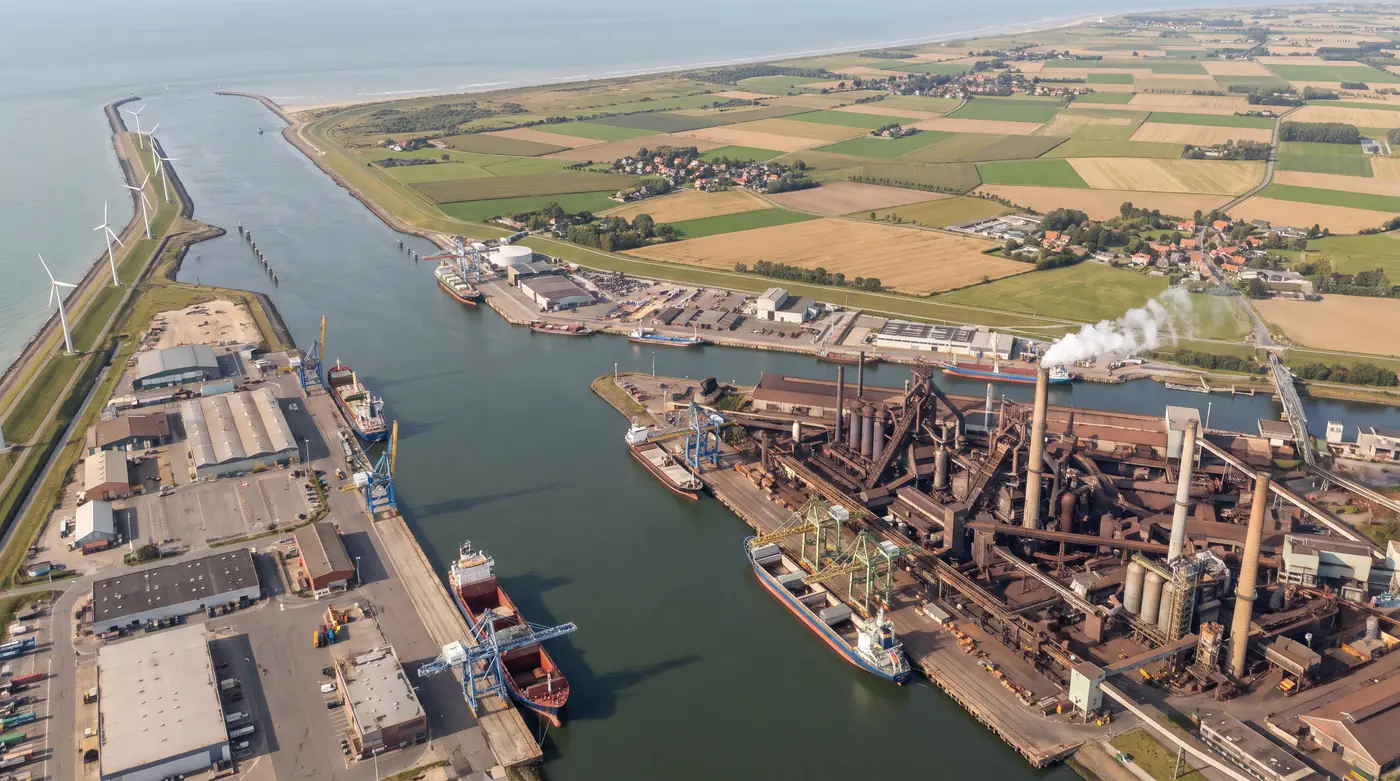
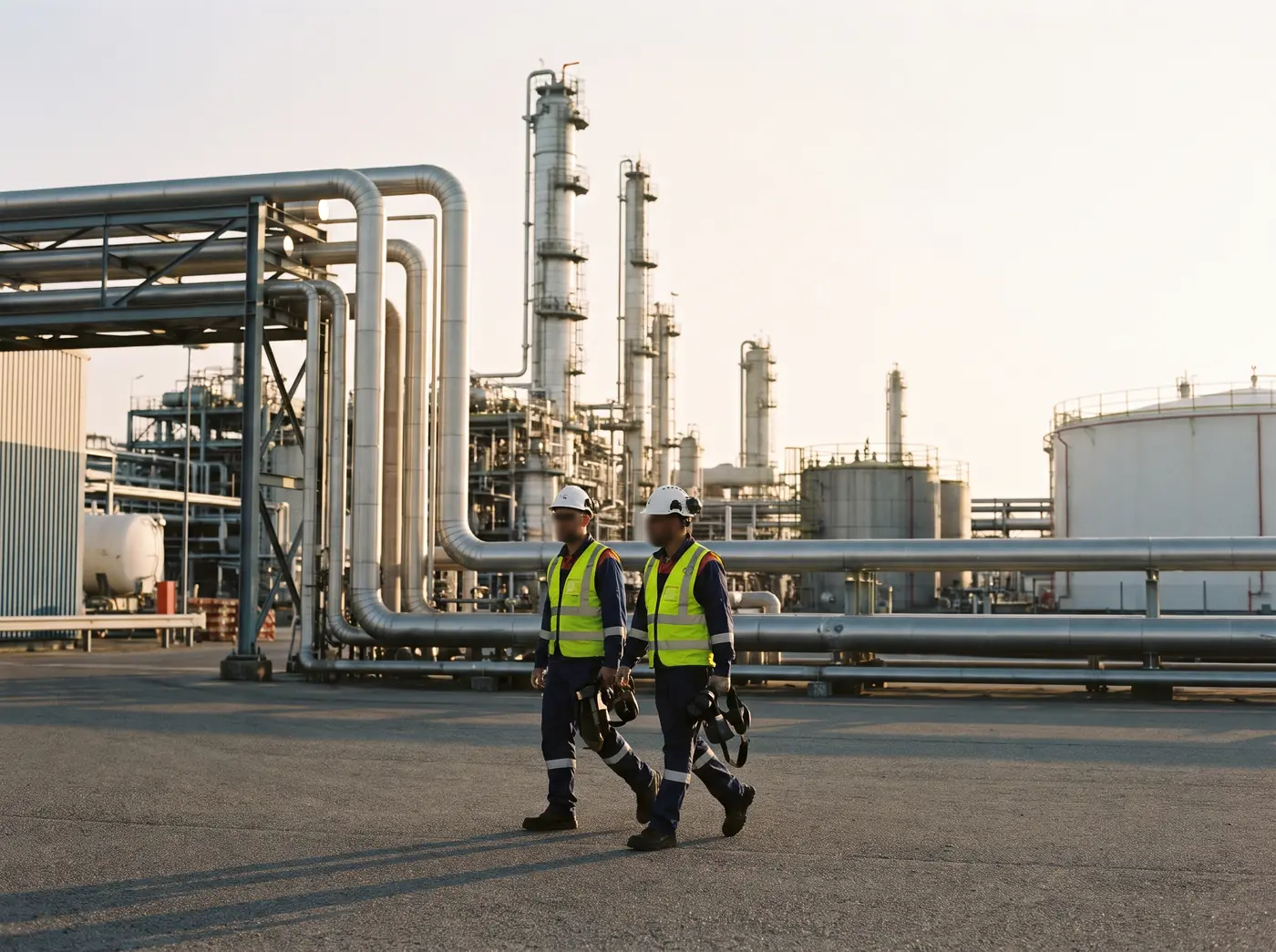
The port area between Ghent and Terneuzen is the tenth port of Europe. The companies there grow faster than the housing supply, and that shortage is where our yield comes from.
What North Sea Port is
A port that has grown across the border.
In 2018 the ports of Ghent, Terneuzen, Vlissingen and Borsele merged into a single port company. The area runs about 60 kilometres from the North Sea to Ghent, covering some 9,100 hectares. Two countries, one labour market, and employees who live on both sides of the border.
For us that is the heart of the matter. The companies are in the canal zone, but the homes are in the villages around it. Whoever owns a properly renovated house there has a tenant.
The port in figures
Where those 100,000 jobs come from.
| North Sea Port | |
|---|---|
| Position in Europe | tenth port, measured by added value |
| Companies in the area | more than 500 |
| Direct and indirect jobs | about 100,000 |
| Added value per year | €12.7 billion |
| Cargo throughput per year | about 70 million tonnes |
| Floor area | about 9,100 hectares over 60 kilometres |
| Largest sectors | steel, chemicals, food, building materials and logistics |
The figures with a dotted line still need to be confirmed with North Sea Port before this page goes live.
Who works here
The tenants of our properties are on these payrolls.
Not one employer, but dozens. If one company falls away, the rental demand stays.
On the Dutch side
- Dow
- Zeeland Refinery
- Cargill
- Trinseo
- Heros
- Verbrugge
- Supermaritime
On the Belgian side




- Stora Enso
- Vopak
- Alco Bio Fuel
- Christeyns
Rather the brochure first?
Twelve pages on how we buy, renovate and let, with the figures of the reference property. You get it straight away by email.
Why it keeps growing
Three investments that will attract staff in the coming years.
The New Lock in Terneuzen
427 metres long and 934 million euros. The lock makes the entire canal zone accessible to larger seagoing vessels, and therefore the businesses behind it more interesting to invest in.
The greening of the steel industry
ArcelorMittal is building installations in Ghent to make steel with less CO2, a project of about 1.1 billion euros. Building it takes people, and running it takes people.
Hydrogen and new energy
Several hydrogen projects are under way in the canal zone, with a pipeline to the German hinterland. That attracts technical staff who do not come from the area.
The housing shortage
Why there are too few rental homes, and why that will stay.
- The workers come from elsewhereTechnical staff, temporary workers and expats stay two to three years. They don't buy, they rent.
- Hardly anything new is builtThe villages in the canal zone are small and building land is limited. Supply does not grow with the port.
- Private landlords prefer not to let by the roomCompanies look for homes for several employees. That takes renovation and follow-up, which a private owner usually does not do.
- The employer pays the rentThe rent is therefore higher than what a private tenant in the same street would pay, and it is paid reliably.
The two regions
The same approach, a different yield and a different entry price.
Both are around the same port, with the same tenants. The difference is the price, the taxes and the distance from home.
| Terneuzen, the Netherlands | Ghent, Belgium | |
|---|---|---|
| Gross yield | 5 to 6% | 4.5 to 5.5% |
| Entry from | € 329.950 | € 434.950 |
| Notary | Dutch | Belgian |
| Purchase costs | 7% transfer tax | 12% registration duties |
| Taxed in | the Netherlands; Belgium exempts it under the double tax treaty | Belgium |
| Distance from Ghent | about half an hour | a quarter of an hour |
Buying across the border
Buying a Dutch property from Belgium.
The purchase takes place with a Dutch notary. The property is taxed in the Netherlands; Belgium exempts that income under the double tax treaty, so you are not taxed twice on the same income. We guide the entire purchase and remain your point of contact, also after the deed.
Free brochure
Everything about the port area, in one document.
If you don't know the port, you can't judge our yield either. In the brochure we set out the companies, the rental market and our own figures, so you can read it at home.
- Why companies in the canal zone rent homes
- The three types of property and what they earn
- A full calculation, from purchase price to net rent
- The difference between buying in Terneuzen and in Ghent
Name, email address and phone number. No obligation.
Further reading
The port explained in three articles.
Next step
Knowing the port is one thing, knowing what you keep from it is another.
Choose how far you want to go.
The North Sea Port brochure
The port, the rental market and the figures behind the yield, in a document you can read at leisure.
Download the brochureStraight to your inbox
A calculation on your situation
Your contribution, your loan and your tax situation, calculated down to what remains net.
Request your calculationFive questions, an answer within one working day
An advisory call
Half an hour with someone from your own region. At your home, at the office or online.
Book a callYou choose the moment
Which region suits you?
The difference lies in the yield, the entry price and the distance from home. We set them side by side for you.